In today’s digital era, almost all business activities rely on technology to improve efficiency and speed. One of the key components in this transformation is an information system, which plays an essential role in managing data and supporting decision-making.
Although widely used, many people still do not fully understand what an information system is, how it works, and the benefits it provides for businesses and organizations.
What Is an Information System?
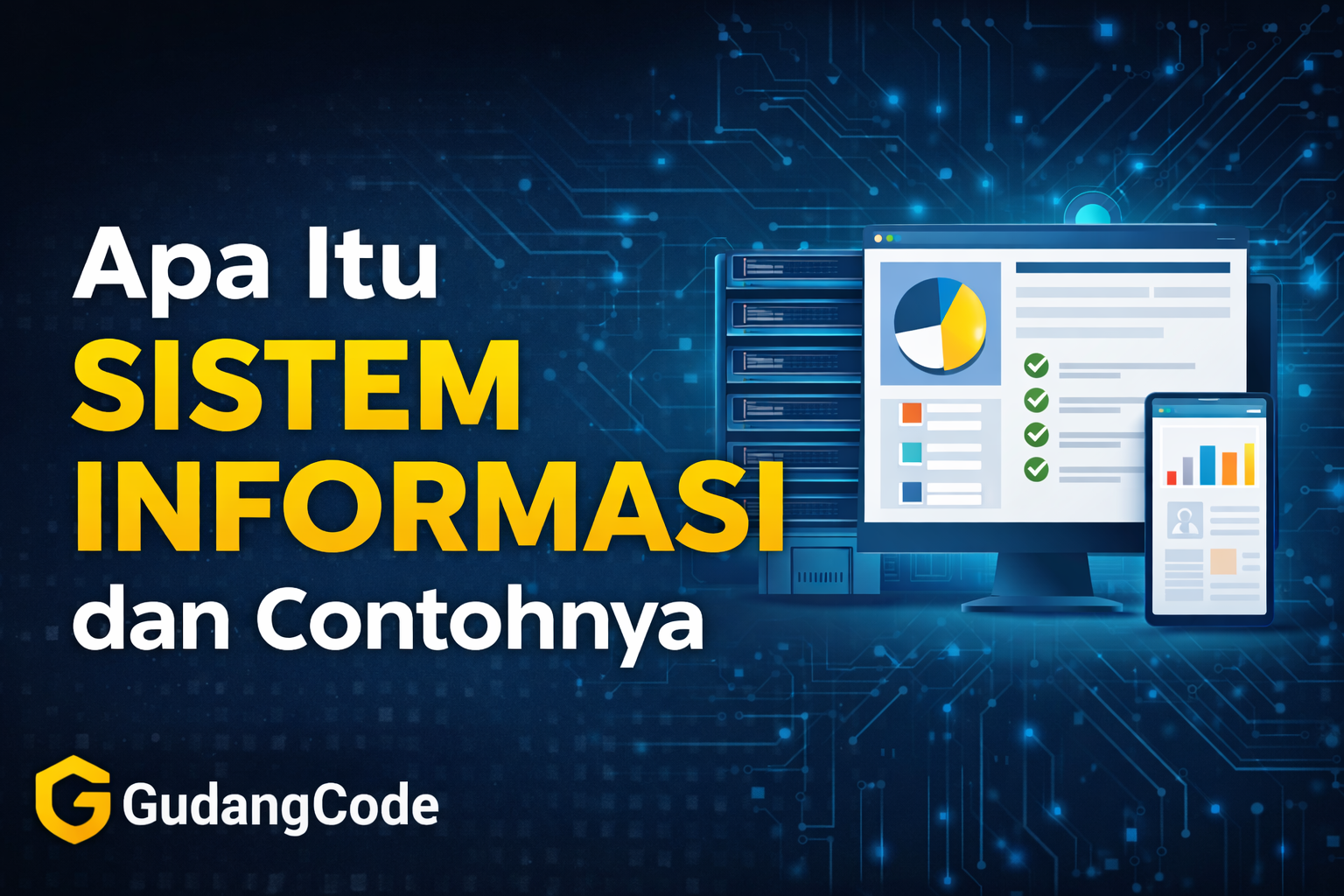
An information system is a combination of technology, people, and processes that work together to collect, process, store, and present data into meaningful information.
This information is then used to help management make faster, more accurate, and data-driven decisions.
Main Components of an Information System
An information system consists of several interconnected components, including:
- Hardware – physical devices such as computers, servers, and network infrastructure
- Software – applications or programs used to process data
- Database – structured data storage systems
- Processes – workflows and procedures within the system
- Users – individuals or teams who operate and utilize the system
All of these components work together to transform raw data into valuable insights.
Examples of Information Systems
Here are some common examples of information systems used across different industries:
- Point of Sale (POS) Systems
- School Information Systems
- Inventory and Stock Management Systems
- Human Resource Management (HR) Systems
- Hospital Information Systems
These systems are designed to simplify data management and improve operational efficiency.
Benefits of Information Systems for Businesses
1. Improved Operational Efficiency
Information systems automate many business processes, reducing manual work and increasing overall efficiency.
2. Reduced Errors
Digital systems help minimize human errors in data entry and processing.
3. Faster Decision-Making
Real-time data enables management to make quick and accurate decisions.
4. Increased Productivity
Employees can work more effectively as workflows become more structured and streamlined.
The Importance of Information Systems in the Digital Era
In today’s highly competitive environment, using information systems is no longer optional—it is a necessity. Businesses that fail to adopt digital solutions risk falling behind in efficiency, speed, and service quality.
With the right system in place, organizations can adapt more easily to market changes and customer demands.
Ready-to-Use Information System Solutions
For those who want to implement an information system without building everything from scratch, there are ready-to-use solutions available that can be deployed quickly and customized as needed.
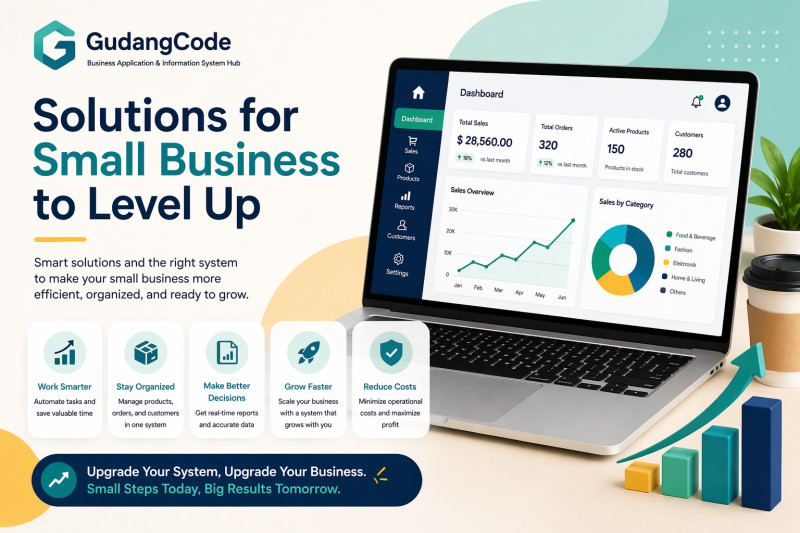
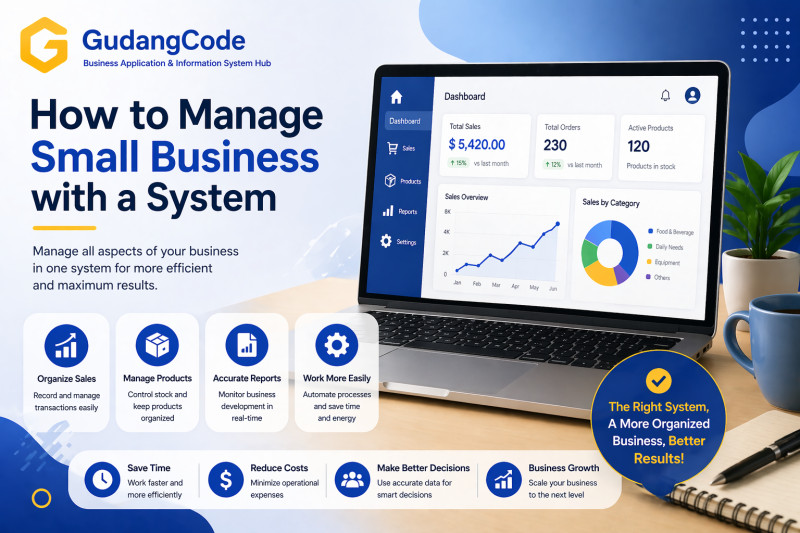
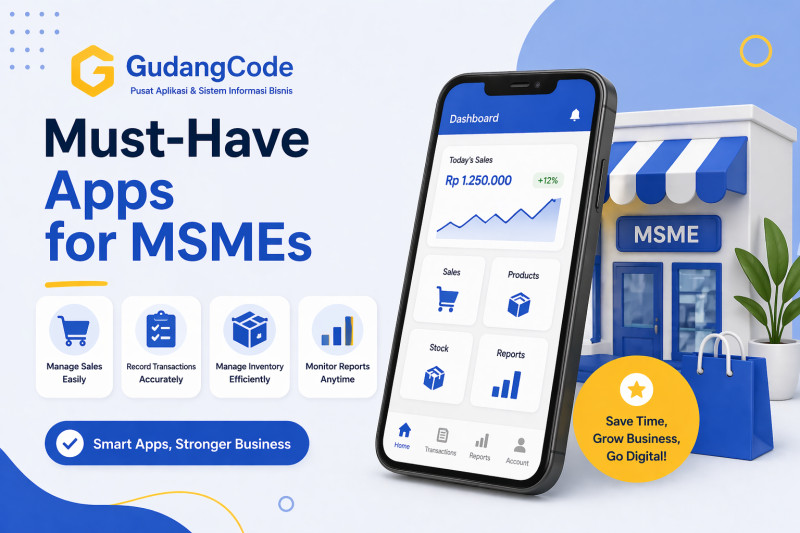
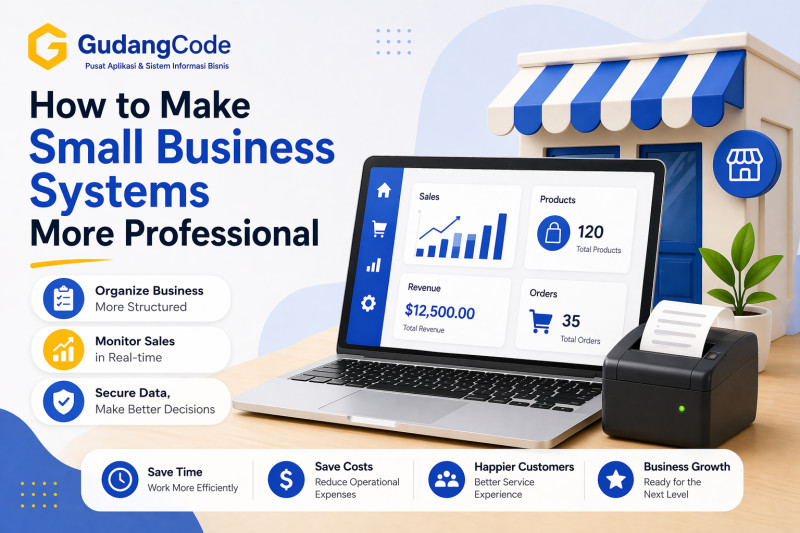
Platforms like GudangCode provide various business applications, including POS systems, inventory management, and HR solutions to help accelerate digital transformation.
Explore available applications here:
Conclusion
Information systems play a crucial role in supporting digital transformation. By implementing the right system, businesses can improve efficiency, reduce errors, and make more accurate decisions.
Adopting an effective information system will help organizations enhance their competitiveness and deliver better services in today’s fast-changing digital landscape.